Precision, efficiency, and traceability – three requirements that are indispensable in medical diagnostics and research. Together with the Austrian Red Cross We have from CIIT-Software a solution developed that combines all of this: a tailor-made software for automating HLA typing in the field of blood analysis.
What is stem cell typing and why is it so crucial?
At the Stem cell typing It is about the so-called HLA characteristics (Human leukocyte antigensThe process involves determining a person's HLA characteristics. These protein structures are located on the surface of cells and are crucial in determining whether the immune system recognizes transplanted stem cells as the body's own or foreign. A high degree of HLA matching between donor and recipient is essential for the success of a transplant, as it reduces the risk of rejection. Typing begins with taking a blood sample. The DNA contained in the sample is then extracted and amplified, quantified, and analyzed in several steps. The samples undergo a series of highly sensitive laboratory processes, such as allocation to plates, the addition of reagents, PCR cycles, and measurements using specialized instruments like the Glomax or Haemilton. All these processes require the utmost precision, complete documentation, and end-to-end traceability.
Precisely because this workflow can be so complex and prone to errors, our HLA software significantly simplifies and supports it. It digitally tracks each sample from the first to the last step, automatically documents all relevant data, and communicates directly with the connected laboratory equipment. This not only saves time but also significantly increases the quality and transparency of the entire process. In summary:
What our software can do:
- Complete traceability of every sample
- Automated documentation of all laboratory phases
- Support with reagent management (including batch overview and expiry date)
- Integration of laboratory equipment such as Glomax, Hamilton and Integra
- Automatic normalization and target verification
- A central library for results management and final reports
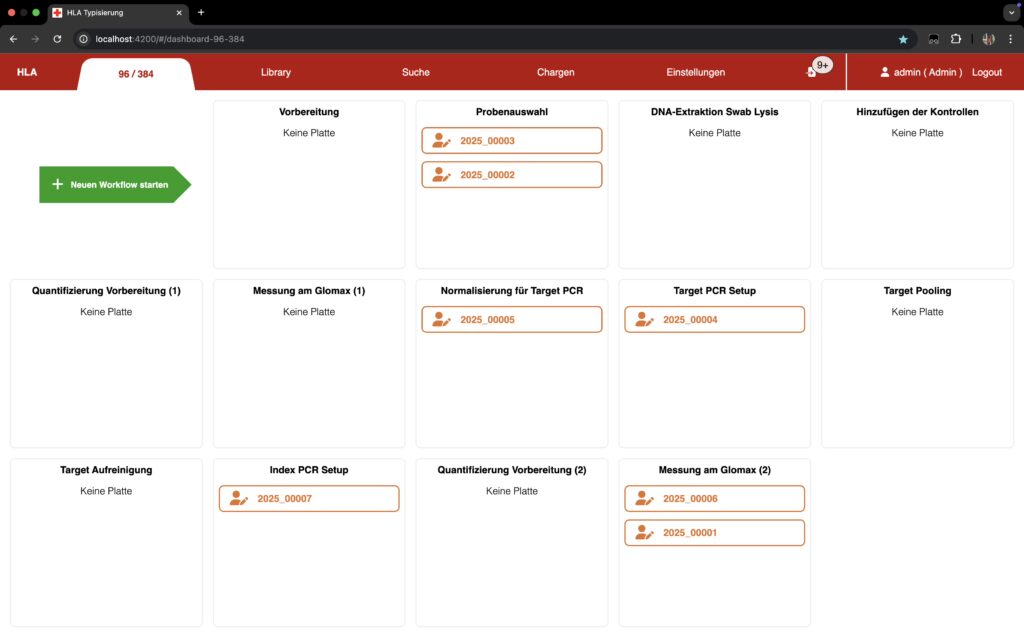
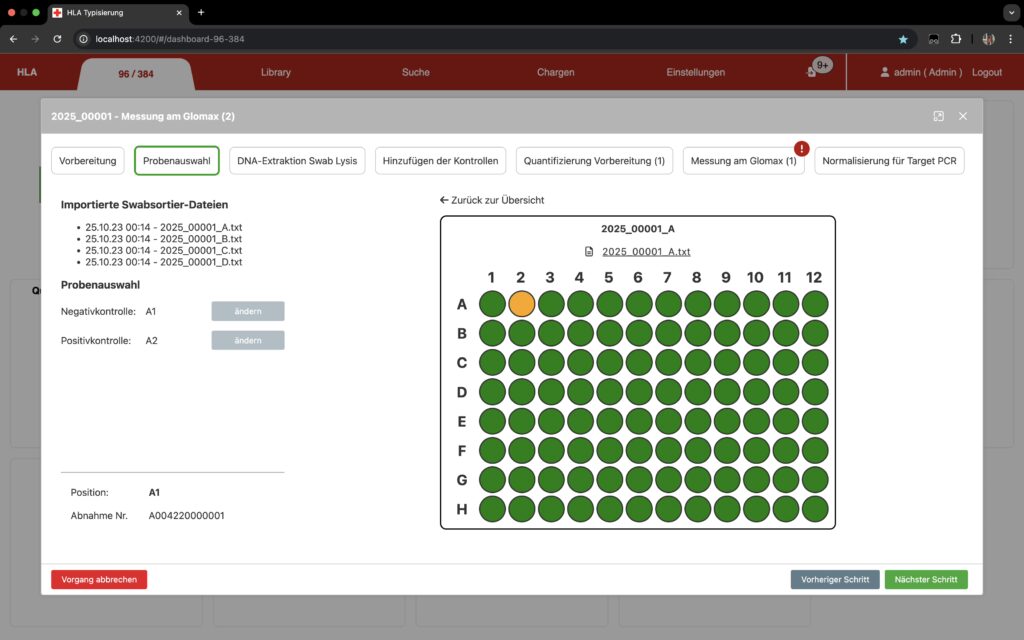
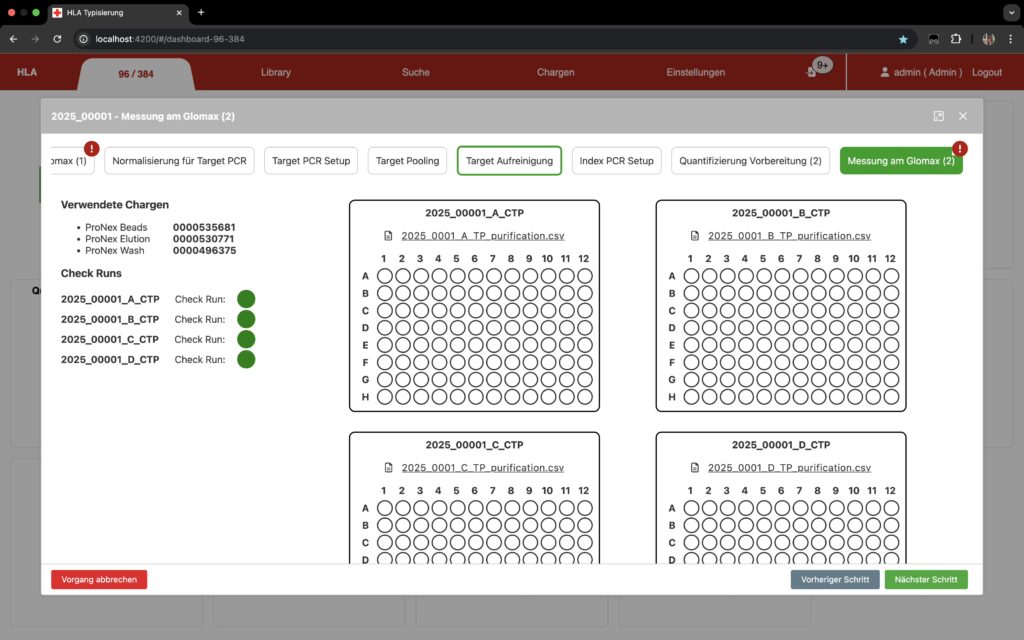
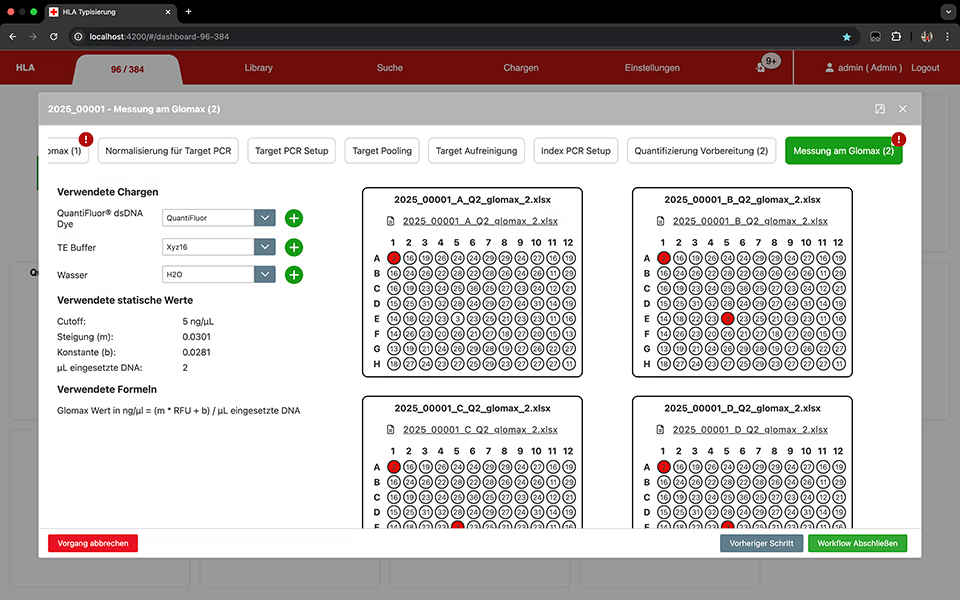
A key objective of this project was to create a system that increases both efficiency and transparency – while actively reducing the workload of laboratory staff. The software has been in regular use since 2024 and was developed and optimized in collaboration with laboratory staff in Vienna.
The HLA software is a particularly exciting project for us because we not only process data, but also actively communicate with laboratory equipment – interacting directly with the physical world. This demonstrates that software development can be far more than just abstract information processing.
Michael Schaffler-Glößl (Technical Director CIIT Software)
We would like to express our sincere thanks to the Austrian Red Cross for their trust, openness and close cooperation – and are pleased to have contributed together to the digital future of medical research.
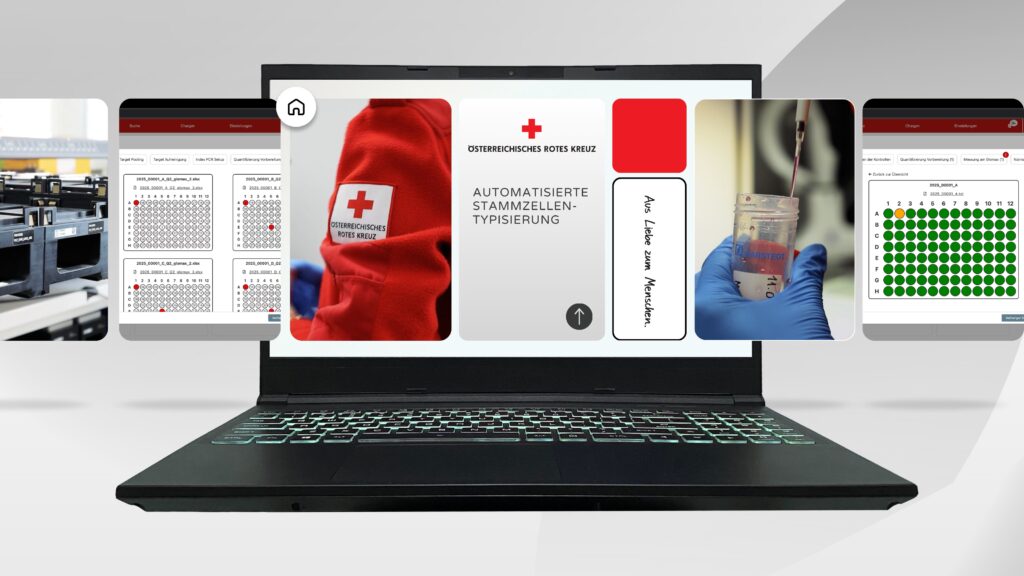
Video transcript:
Modern technology contributes to the sustainable optimization of processes in medical research and diagnostics. Especially in sensitive areas like stem cell typing, where the highest level of precision is required, digital support is indispensable. In collaboration with the Austrian Red Cross, CIIT Software has developed a solution that automates this demanding process and creates greater efficiency in the laboratory. Speaker 1: My name is Christoph Jungbauer. I am the medical director of the blood donation service. In this specific case, the NJS process is used for stem cell typing. The major challenge is that the donors must be a very precise genetic match for the recipients. The probability is approximately 1 in 500,000. A very precise genetic match means that the individuals must be virtually identical in six HLA genes—the human leukocyte antigens—for the transplantation to be successful and to avoid rejection reactions or associated problems. To effectively oversee and control this complex typing process, which takes several days and involves numerous steps, we need appropriate software. Our customized software enables efficient high-volume typing by tracking each sample throughout the entire process: from the initial swap sample to the final DNA sequence. The software not only ensures seamless documentation of each step but also precisely records the reagents used. This allows staff to track the exact position of each sample in the process at any given time – with the highest accuracy. The HLA software has been running in regular operation since 2024 and has proven itself as a reliable solution for laboratory analysis. Speaker 2: The functions we developed actively access these devices, and we can then see actual changes in their performance. We give them commands, they execute them, and then we receive the measured values back. This integration of physical devices is a really cool aspect of the project. Speaker 3: We'd been in contact with CIIT for quite some time and were always very impressed by the professionalism of their services, which is why we chose them for this project. Our motivation was that there wasn't a ready-made product on the market that perfectly met our requirements, and we felt that if we needed software, it really should be able to do everything we needed. With a custom development, we had the assurance that this was guaranteed. Speaker 4: I found it fascinating that the CIIT employees were so motivated to learn about our workflow, because it was completely new to them. We went to our lab and showed them our reagents and consumables. It's not a given that a company would ask so many questions, actively approach us again and again, and ask if any new developments were needed. That's truly exceptional, and it makes you feel very well taken care of as a customer.